Stoak Journal
Is a re-clad worth it?
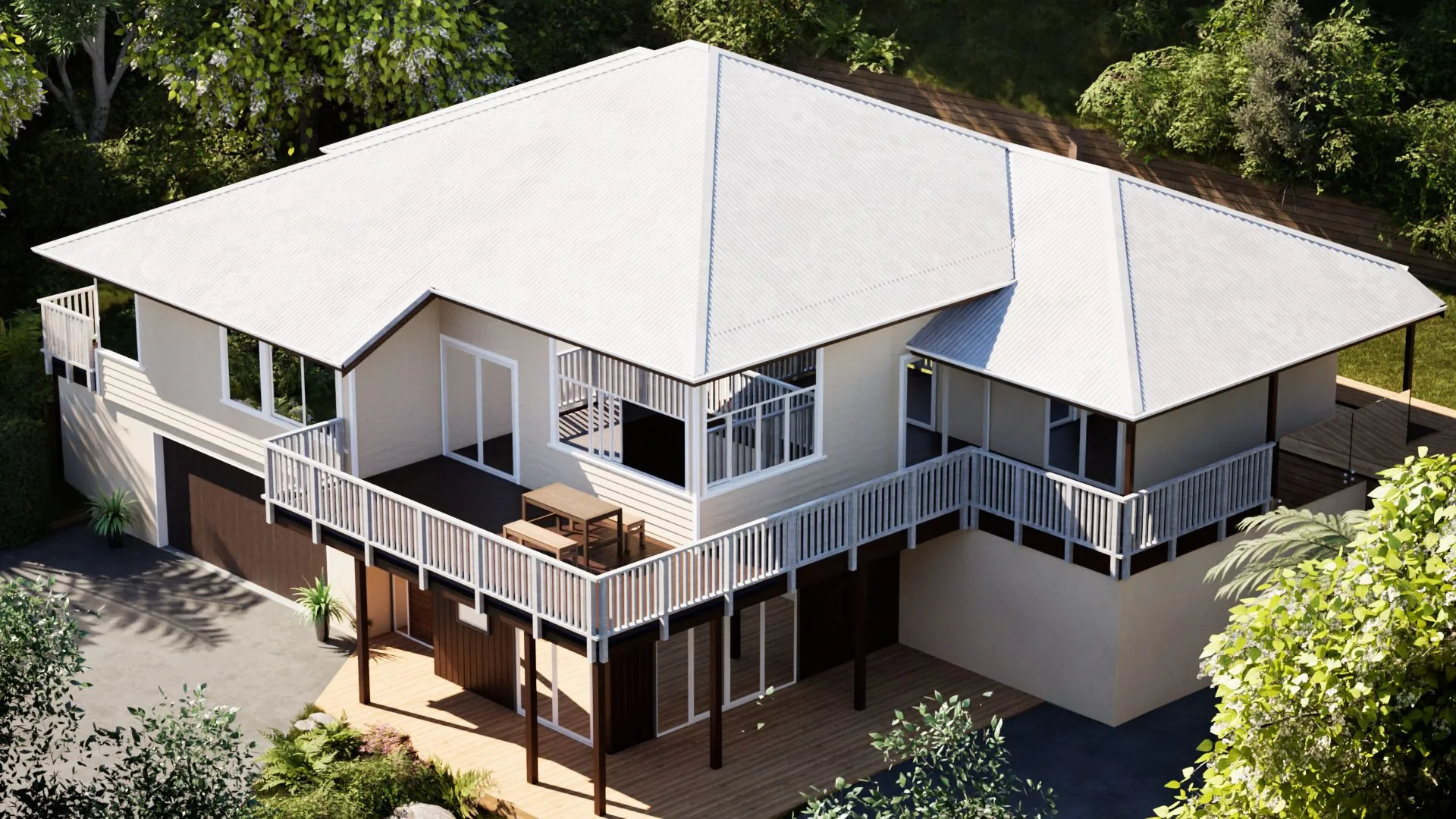
Re-clads are one of the more divisive decisions a homeowner faces. Done well, they fix a problem that only gets worse with time. Done badly, they cost twice and still leak. Here's how to think about it.
When a re-clad is on the table
A re-clad — fully removing and replacing the external cladding system on a house — usually comes up for one of three reasons:
1. Active water ingress. Damp spots on internal walls, mould around windows, soft framing on a moisture survey. 2. The "leaky building" era. Houses built or re-clad between roughly 1994 and 2004 with directly-fixed monolithic cladding (textured plaster over polystyrene or fibre-cement). The era and detail that gave the leaky homes crisis its name. 3. Cosmetic and insurance pressure. The cladding is technically performing but appearance, ongoing patching cost and insurability all point to replacement.
If a house ticks any of those boxes, a re-clad is at least worth costing.
The warning signs
Before spending anything, walk the house and note:
- Stepped cracking down from the corners of windows and doors.
- Bulging or staining in the cladding — particularly a horizontal stain a metre or so above ground.
- Mould inside, especially at floor level on external walls.
- Soft skirting or carpet edges on the external wall side.
- A faint damp smell that's noticeable when you first walk in.
If more than one of those is present, a moisture survey from a qualified weathertight surveyor is the next step. That report tells you the scope of the problem and whether full re-clad is the right call or not.
What's involved
Once a re-clad is the decision, the design work covers:
- Existing-conditions survey and an honest read of what's behind the current cladding.
- Cladding system specification — drainage cavity, batten layout, fixing schedule, the lot.
- Window schedule and (often) glazing review. The wall is open exactly once; many re-clads upgrade windows at the same time.
- Detailed junctions — head, jamb and sill flashings, control joints, transitions between cladding types.
- Insulation strategy. Same logic as windows.
- Building Consent application, RFI handling, and a Certificate of Design Work for the Restricted Building Work in the design. Where structural elements fall outside what a designer self-certifies, a structural engineer covers that scope with their own PS1.
Build cost varies widely with scope (cladding only vs. cladding + windows + insulation + internal repair) and whether framing damage has been found. A moisture survey is the only honest way to scope it; numbers from a website never are.
A real example
Hamurana Road House is a Stoak project where a re-clad sat alongside an extension and ensuite addition — a lakeside home that had outgrown its road-facing facade. The re-clad combined dark Abodo Vulcan vertical timber on the lower level with white Slimclad reverse-run profiled metal above. The point of mentioning it: a re-clad is rarely "just" a re-clad. It's usually paired with windows, insulation, often an extension or layout change while the house is in disruption. Combining the work makes the design fee more efficient and the build less invasive over time.
Stoak's design fee for re-clads
Re-clads sit under the calculator's Renovations & Extensions category. Run your project through the calculator on the Re-clads service page for an indicative fee — it returns a fixed concept fee and a percentage of build cost for working drawings. The actual proposal back from me will be fixed-fee, in writing, before any work starts.
When a re-clad isn't worth it
Re-clads aren't always the right call. Where they often don't stack up:
- The house is small and old enough that knock-down-rebuild is cheaper per square metre.
- The land is doing all the value lifting and the building is incidental — a re-clad polishes a house the future buyer is going to demolish.
- There's significant structural rot — at which point you may be designing a new house with old foundations.
A short feasibility study at the front end ($500 + GST) often clears that up before any larger design fee is committed.
Frequently asked
- How do I know if my house needs a re-clad?
- Cracking around windows and doors, horizontal staining low on the wall, mould or soft skirting at floor level on external walls, and a faint damp smell are the warning signs. The next step is a moisture survey from a qualified weathertight surveyor — that report scopes whether a full re-clad is the right call.
- Should I upgrade insulation while re-cladding?
- Almost always, yes. The wall is open exactly once. Adding insulation, switching to thermally broken or double-glazed windows, and improving air-sealing all cost a fraction of doing the same work as a separate exercise later.
- Does a re-cladded house lose value or gain it?
- A properly documented re-clad — full Building Consent, every signed design certificate, any engineer's PS1s for structural work, and the council's code-compliance certificate at the end — adds value. A poorly documented or partial one can hurt resale because buyers and insurers can't read what was done. Always go through full Building Consent and keep the paperwork together.
Got a project?
Talk it through with Daniel.
If something here applies to a project you're thinking about, send through a brief — I'll come back to you within one business day.